

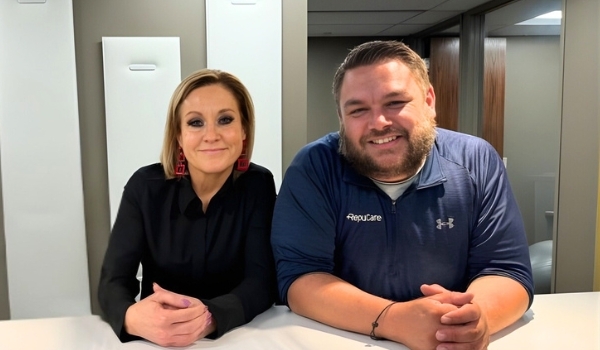
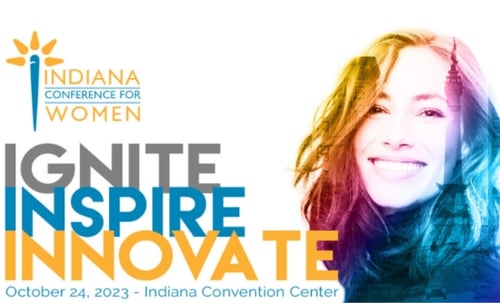
RepuCare Attends Indiana Conference for Women
Professional Development Hack
2:18
Learning does not end when formal schooling is complete; it continues every day and across every stage of life. Lifelong learning supports cognitive health, builds adaptability, and can increase your overall sense of fulfillment and purpose.
Best ways to continuously learn:
Ask Questions - If you are unsure about something or curious about a topic, actively seek answers. Reach out to subject matter experts, mentors, or peers, and leverage credible online resources, journals, and books. When you consistently ask questions and pursue evidence-based information, you develop the knowledge and critical thinking skills needed to navigate complex clinical, operational, and regulatory environments.
Schedule Time for Learning - Blocking dedicated time for reading, research, and professional development helps keep your brain engaged and your skills current. Whether it is reviewing new clinical guidelines, exploring emerging health technologies, or studying policy updates, a structured learning routine improves focus and follow-through. This intentional practice also supports productivity and a greater sense of accomplishment throughout your day.
Reflect - Deliberate reflection on your work, decisions, and outcomes helps you gain perspective and refine your judgment. Evaluating what went well, what could be improved, and what you learned from a situation can reveal new solutions and strengthen problem-solving skills. Reviewing past projects, patient cases, or program initiatives can also surface best practices that can be applied to new challenges.
Continuous Learning in healthcare
Continuous learning enables you to build and maintain in-demand skills over the course of your career. For healthcare and allied health professionals, this includes clinical competencies, technology fluency, and an understanding of evolving regulatory requirements. These capabilities are highly valued by employers and can help you stand out in competitive talent pools. In an environment where staffing and recruiting organizations are navigating skill shortages and gaps, professionals who invest in ongoing learning are better positioned for advancement and long-term career stability.
Sources / Statista , UNC Kenan-Flagler Business School , Walden University
Categories: