


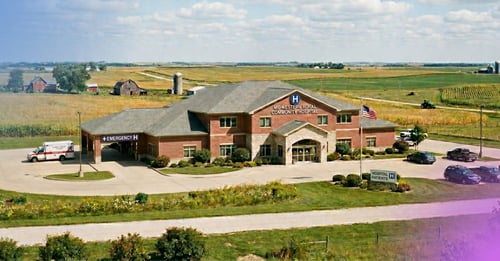
Rural Indiana Healthcare Staffing Challenges: Causes, Data, and Solutions
The Pandemic and Nursing Shortages
3:52
Since the end of the pandemic, the nursing shortage has significantly impacted healthcare delivery nationwide. More than 80,000 qualified nursing school applicants have been turned away due to a lack of faculty and preceptors to train them. Demand for nurses is near an all-time high for multiple reasons, and health systems across the United States are experiencing sustained pressure on access, quality, and continuity of care.
Drivers of Nursing Demand
Aging baby boomers and the lasting clinical and psychosocial effects of COVID-19 are two primary drivers of this demand for Registered Nurses. Individuals aged 65 and older are retiring from the workforce, transitioning into assisted living or long-term care, or seeking in-home nursing support to safely age in place. The number of retirees in this demographic is projected to nearly double from 52 million to 95 million by 2060, creating an unprecedented need for qualified nursing professionals. Yet the current nursing labor shortage is substantial. This raises a critical question for healthcare leaders: Why are there fewer nurses available in the workforce at a time when they are needed most?
Low relative wages in some markets, prolonged and unpredictable shifts, and cumulative emotional and moral distress are driving nurses away from hospitals, long-term care, and other high-acuity settings. A sustainable response requires strengthened organizational support for nursing staff. Competitive compensation is essential to retain experienced nurses and advanced practice clinicians. In many organizations, professionals with advanced degrees are earning only marginally more than those they supervise, creating disincentives to pursue or remain in higher-level roles. Adjusting salary structures can help attract new talent and prevent experienced nurses from exiting the profession or shifting to non-clinical roles and alternative industries.
Organizational Strategies to Support and Retain Nurses
At the same time, shift demands are unlikely to diminish in the near term. Health systems are therefore exploring comprehensive incentive strategies: offering enhanced benefits, access to mental and emotional health resources, and structured resilience and wellness programs; expanding pathways to become clinical educators and preceptors; and fostering a culture that consistently recognizes and respects nurses as essential members of the care team, especially in high-stress environments.
For more than 20 years, RepuCare has partnered with healthcare systems across the United States to address these workforce challenges by providing experienced Registered Nurses and allied health professionals. Our team takes a consultative approach. We listen to each client’s operational priorities, clinical quality goals, and recruitment pain points in order to align talent with specific care models, settings, and patient populations. Registered Nurses are the single most frequently staffed role at RepuCare, and our focus on retention, engagement, and culture fit supports long-term workforce stability for our clients. By consistently supplying and supporting high-quality nursing talent, RepuCare helps health systems mitigate the impact of the nursing shortage and sustain safe, reliable care for the communities they serve.
If your organization is navigating the ongoing nursing shortage and exploring new approaches to stabilizing your clinical workforce, RepuCare can help. Our team is ready to partner with you to design a staffing strategy aligned with your care models, quality goals, and budget.
Click here to begin a conversation about how RepuCare can help strengthen your nursing workforce.
Categories: